Host/Commensal interactions and the age-related decline of intestinal proliferative homeostasis
Dr. Jasper wants to know why organisms age and he intends to identify the rules and mechanisms. His group uses the fruit fly as a model for this research, as it allows for rapid identification and characterization of the genetic basis of complex biological processes, including aging-related processes.
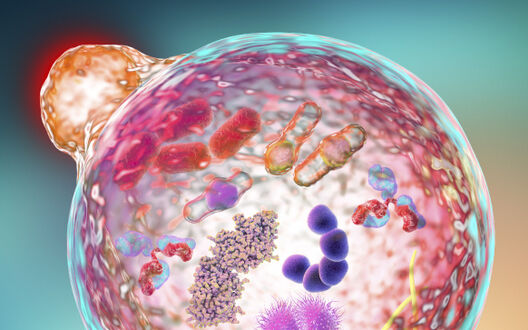
In a recent study, Dr. Jasper tracked how gut bacteria change with age – and then found a way to essentially turn back the clock, returning the microbiome to a more youthful state and extending lifespan. The researchers found that as flies aged, they have more and more bacteria in their guts, due to the suppression of molecules known as PGRP-SCs, which keep bacterial populations in check. All those germs put the lining of the gut on immune high alert, leading to inflammation and chronic inflammation, scientists increasingly think, can cause and worsen a range of diseases. When the older flies were given PGRP-SCs, the number of bacteria in their gut decreased, and their microbiomes began to look much like those of younger flies. Not only that, they lived significantly longer than flies whose microbiome changes when untreated.
With the BIG award, Dr. Jasper now plans to develop a comprehensive toolset for the understanding of intestinal homeostasis at the intersection between microbiology, immunology, regeneration and aging.