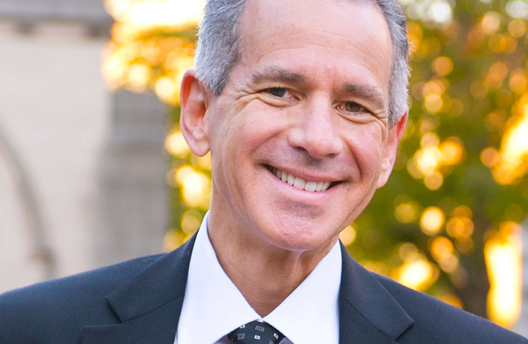
Nir Barziliai, MD, on what we can learn about longevity from SuperAgers and Centenarians
AFAR Scientific Director
Director - Einstein-Institute for Aging Research
Director - Nathan Shock Center for the Excellence in the Basic Biology of Aging
Professor of Medicine and Genetics at Albert Einstein - College of Medicine
Dr. Nir Barzilai’s research explores the genetics and biology of aging through the lens of exceptional longevity. The recipient of multiple grants from AFAR and major scientific foundations including the NIA, and author of many publications, Dr. Barzilai is a pioneer in the study of centenarians and how their genes can point to opportunities to delay aging or protect against age-related disease.
One of the leading voices on healthy aging in popular media—as seen on PBS, National Geographic Channel, the Today Show, and TED Talks and in the Wall Street Journal, WIRED, The New York Times, and more—Dr. Barzilai recently published his first book, Age Later: Health span, Life span, and The New Science of Longevity (St. Martin's Press.)
We caught up with Dr. Barzilai, Director of the Einstein-Institute for Aging Research, and AFAR Scientific Director, to learn about his important research on those who live past 100.
What are SuperAgers and what does the study of these individuals tell you about longevity?
SuperAgers are people who have aged more slowly than others. In other words, SuperAgers’ chronological age does not reflect their biological age. They do not accumulate age-related disease and require treatment, which allows them to work longer, enjoy post-retirement interests, to live life to the fullest.
In my studies, not only did SuperAgers live 20-30 more healthy years, but also had a contraction of morbidity. This means they spent less time being sick and therefore there is a ‘longevity dividend’ among SuperAgers as medical costs are saved.
How can your study of genes in centenarians or their offspring translate to drug discovery efforts?
The interesting thing about discovering specific changes in the genes of centenarians and their offspring is that those genes can point to a mechanism that can be targeted for intervention. We can look to these mechanisms for developing drugs that inhibit or stimulate these genes.
Through the Longevity Genes Project at Einstein, we have found two such changes in genes that control the good aspect of lipid metabolism. These discoveries led to the development of a drug and successful Phase 2 studies by the pharmaceutical companies Merck and Ionis. The indications for the development of these drugs was cardiovascular disease, but they may impact other diseases as well.
The disproportionate impact of COVID-19 on older adults has been well documented, but what can be learned from older adults, even centenarians, who survive the virus?
Centenarians, as well as many older adults, do survive COVID-19. While we must be sensitive to the range of socioeconomic factors impact how and who COVID-19 is affecting in America, it's important to look at the “hallmarks of aging”--on a cellular level, these “hallmarks” are processes that are considered to be the core underlying machinery controlling how our bodies age. COVID-19 vulnerability is linked to two of the hallmarks of aging: immune decline and inflammation. Some older adults experience these hallmarks at lower levels. Further, research has shown that immunity among offspring of centenarians is better than that of their age-matched control. Because all hallmarks of aging are involved, not just the immune system, these individuals are able to survive through a severe disease like COVID-19.
You recently published a book "Age Later: Health Span, Life Span, and the New Science of Longevity" where you pose the question: "Is it possible to grow older without getting sicker?" How have your thoughts on this question changed since the coronavirus pandemic?
COVID-19 has put a spotlight on how the biology of aging makes some of us more or less vulnerable to viruses and sickness. The field of aging research has been looking at this for decades, and now we can apply our expertise to COVID-19 and expand the conversation on targeting age-related diseases and extending healthspan—our years of health as we age.
I always say that a future of healthy aging is not just a hope, but a promise: not only have we gone from the promise of targeting aging, but there are drugs that can do this in use by humans today! Those drugs can change biological age and improve immunity—not only against COVID-19 but against the next pathogen.
For example, Metformin is a drug that can target aging in humans. There are several papers that show COVID-19 patients on metformin were hospitalized less and had lower mortality than patients with similar problems who were not treated with metformin. We need to move rapidly to consider available drugs like this that can help defend older adults against threats like COVID-19 now and those in the future.
This also why we need the TAME (Targeting Aging with Metformin) Trial, which aims to provide proof of concept that aging can be targeted and treated. At 14 leading research institutions across the country, we hope to engage over 3,000 individuals between the ages of 65-79 to test
test whether those taking metformin experience delayed development or progression of age-related chronic diseases—such as heart disease, cancer, and dementia. The TAME Trial seeks an indication for aging from the FDA, and this would open the door to so many promising therapies to extend health.
As the co-founder of biotech firms--CohBar and Lifebiosciences--who are developing new therapies to extend health by targeting aging, naturally I'm excited by this prospect. And I'm proud to be the TAME Trial's principal investigator, working with a committee of leaders in the field at major research institutions.
I'm passionate about the therapeutics that are within our reach and their promise to extend health as we grow older. My book may be called “Age Later”, but it really could be called “Healthier Longer." The promise that we all can live healthier for longer as we grow older and decrease the pain of disease and illness is really what motivates me and my inspiring colleagues in the field.
Hear more of Dr. Barzilai's insights in a special online talk, Secrets of the SuperAgers, on Thursday August 27, 2020 at 2pm ET. Part of AFAR's Live Better Longer series with Prevention magazine, presented with promotional support from Next Avenue. Learn more and RSVP here.