Ask the Expert: Mehmood Khan, MD, on Hevolution Foundation’s Inspiration and Vision for Healthy Aging
Chief Executive Officer, Hevolution Foundation, Riyadh, Saudi Arabia
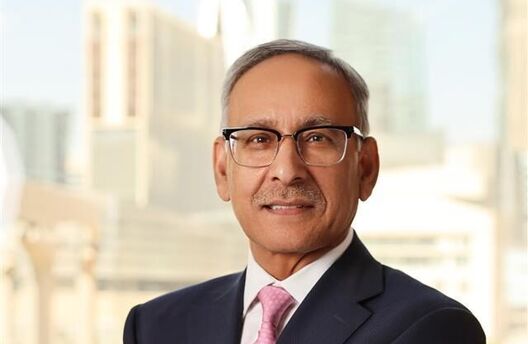
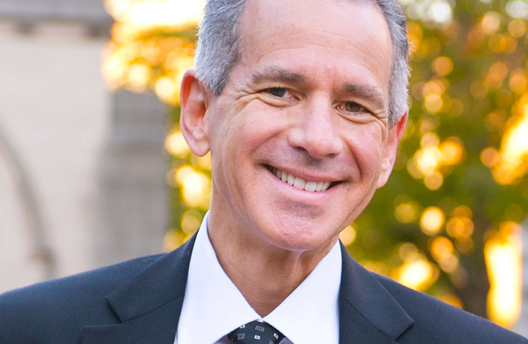
A physician-scientist and global health leader, Dr. Mehmood Khan serves as Chief Executive Officer of the Hevolution Foundation, a global philanthropic organization dedicated to extending healthy human lifespan through research, investment, and collaboration.
Prior to leading Hevolution, Dr. Khan held senior leadership roles across academia, medicine, the private sector, and nonprofit institutions, including serving as Vice Chairman and Chief Scientific Officer of PepsiCo. His career bridges scientific discovery, business strategy, and global health innovation.
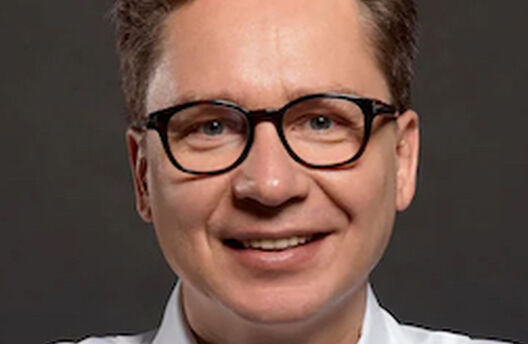
As part of a two-part Ask the Expert series, Dr. Khan was interviewed by AFAR President Thomas A. Rando, MD, PhD, about the Foundation’s work and the evolving global movement to extend healthspan through geroscience. The conversation has been edited for clarity and length.
AFAR is pleased to present the first segment of Dr. Khan’s interview here.
Part I: Inspiration, Vision, and Momentum
Your background is not that of a typical physician. Your interdisciplinary background includes serving as the Vice Chairman and Chief Scientific Officer of PepsiCo before Hevolution Foundation. What enticed you to focus on the aging research field?
I did not begin my career in aging research. My interest developed through curiosity and a commitment to continuous learning. The turning point came during a conversation with colleagues at the National Academy of Medicine, where I was invited to join a commission tasked with developing a global roadmap on aging.
My initial response was, “I am not an aging expert.” I was reminded that advancing a field requires more than scientific depth alone. It also requires strategic, operational, and economic insight. I joined as both a contributor and a student.
What became clear to me was how long pioneers in this field had been advancing the biology of aging, often without the level of funding, alignment, or public understanding the science warranted. The opportunity was not to redirect the science, but to elevate and enable it. Hevolution was established to help address this structural gap, and I was honored to be asked to lead the effort.
Your vision and passion for healthy aging really comes through in the annual Hevolution Foundation Global Healthspan Report. The 2025 report very nicely captures the challenges and opportunities and connects a lot of dots. How would you encapsulate the core vision of Hevolution Foundation?
For many years, the dominant term in this space was longevity. Our leadership believes the more urgent and meaningful focus is healthspan.
The central challenge is not simply how long we live, but how well we live. Across regions and cultures, people consistently express the desire to remain functional, independent, and engaged throughout their lives. Healthspan centers the conversation on vitality and capability, not just duration.
Hevolution did not coin the term healthspan, but we are committed to establishing it as the organizing principle of the field. That requires disciplined and consistent communication. Scientists are exceptional at discovery, yet complex scientific narratives do not always translate effectively beyond academic settings. Our responsibility is to broaden understanding across policymakers, investors, and the public.
At its core, Hevolution is guided by the ethical expansion of healthspan for the benefit of all. Our mission is straightforward: extend healthy lifespan equitably and responsibly. From the outset, ethics has shaped our strategy. Access, fairness, and scientific integrity are not secondary considerations. They are foundational.
Hevolution Foundation has been instrumental in funding research in the basic biology of aging. How do you think global messaging should evolve to improve understanding of the importance of basic science?
Within the scientific community, the value of basic research is well understood. The challenge lies in articulating that value to policymakers and broader society.
Political leadership often operates within short time horizons. Investments in foundational science may take years or decades to yield measurable outcomes. That reality can limit near-term enthusiasm, even when the long-term impact is transformative.
We have sought to reframe the discussion by reconsidering who the stakeholders truly are. Traditionally, the language centers on patients. Yet most individuals do not aspire to be patients. They aspire to remain healthy and productive. In that sense, all of us are stakeholders in our future health.
When we link basic aging biology to economic resilience, workforce participation, and national productivity, the strategic value becomes clearer. Healthspan is not solely a biomedical issue. It is an economic and societal imperative.
At the same time, credibility must remain paramount. The field has experienced periods in which enthusiasm outpaced evidence. Sustained progress depends on rigorous science, transparent communication, and responsible translation. Innovations emerging from aging biology must be grounded in validated data if they are to earn enduring public trust.
Hevolution Foundation was founded in 2021. What have you learned since the creation of the foundation, and what do you see as the next goals?
Building a field requires more than capital. It requires listening, alignment, and shared infrastructure.
Since our founding, we have placed strong emphasis on seeking feedback from scientists, policymakers, and other stakeholders. In the private sector, this would be called market research. In philanthropy, it is disciplined engagement with the ecosystem.
In our second edition of the Global Healthspan Report, we returned to the community to understand what resonated and where gaps remained. We share our findings openly because transparency strengthens the field. We are encouraged to see the report’s data cited and utilized across different platforms. That signals growing cohesion and trust.
We have also intentionally brought in expertise beyond traditional health domains. Advancing healthspan requires understanding engagement, behavior, and systems design. Many of our board members contribute their time and insight on a pro bono basis, motivated by the opportunity to shape a field with profound societal implications.
Looking ahead, incentive alignment remains one of the central challenges. Economic analyses suggest that even modest extensions in healthy lifespan could generate trillions of dollars in annual economic value. Yet translating long-term economic potential into near-term policy action is complex.
Our focus now is on advancing models that demonstrate measurable impact while preserving scientific integrity. The opportunity before us is historic. For the first time, we possess the biological insight to influence the trajectory of aging. The responsibility is to do so thoughtfully, credibly, and at scale.
--
Up next, Dr. Khan and Dr. Rando discuss technologies and future possibilities. Stay tuned!