Ask the Expert: AFAR Board Member Mark Lachs, MD, on clinical research, care, and more
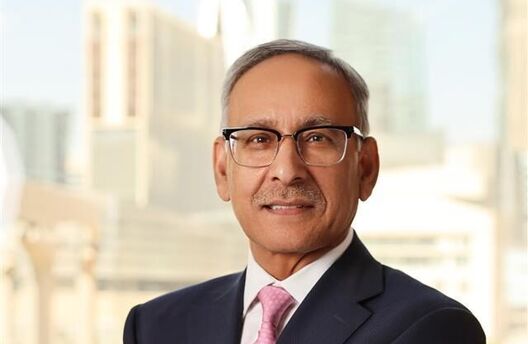
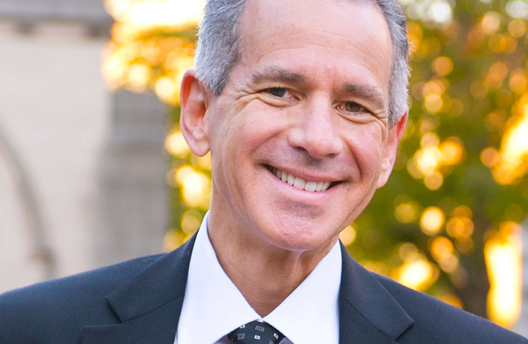
Mark Lachs, MD
The Irene & I. Roy Psaty Distinguished Professor of Medicine, Weill Cornell Medical College
Co-Chief of Geriatrics & Palliative Medicine
Director of Geriatrics, NewYork-Presbyterian Health Care System
Founder of the NYC Elder Abuse Center
Dr. Mark Lachs is an internationally recognized expert in geriatrics and an advocate for the rights and dignity of older adults, especially victims of elder abuse. His research has documented the prevalence and consequences of elder abuse. He founded the New York City Elder Abuse Center, which was the first of its kind to coordinate multidisciplinary case responses that include assistance from healthcare, legal, and social service agencies. He has previously served as the President of AFAR, and his contributions extend to the policy and public education space, including testifying before the US Congress and the World Health Organization. AFAR spoke with Dr. Lachs recently, and his responses have been abbreviated for brevity and clarity.
What inspired you to dedicate your career to geriatric medicine and aging research?
In short, I was raised by my grandparents. They were vibrant and physically active people whom I loved dearly. When I got to medical school, I found that I enjoyed taking care of older people. In addition, I had a passion for the science behind aging. In every area of biomedical of scientific exploration, from patient-oriented research to the basic biology of aging, to population health, some of the most interesting things happening involve aging. So for me, geriatrics was a perfect marriage of my clinical, policy, and scientific interests.
At the beginning of my career, my research on elder abuse was informed by my clinical work. When I was a very young geriatrician at Yale in the late 1980s, I saw a patient with cigarette burns on her chest in the emergency department. As I went back through her medical records, I found a lifetime of physical abuse that had been missed or dismissed. Elder abuse can be written off as neuroses, delusions, or hysteria. Yet in her case, it was obvious that she had lived a tortured life – her medical record showed decades of ER visits in which her complaints were not taken seriously. At the time, the literature held little on elder abuse, but a lot on child abuse. Therefore, I decided that I would make it my mission to advocate for this vulnerable population.
You’ve been a leading voice in the field of elder abuse What shifts have you seen in awareness among the public or field?
I was trained as a methodologist and as a clinical epidemiologist, so I first investigated elder abuse first through an epidemiological lens. We documented the prevalence, identified risk factors, and evaluated and created interventions.
Over the course of my career, I have seen the field of elder abuse go from obscure and poorly understood to now, where the field recognizes the different kinds and prevalence of elder abuse. Many of our studies show that elder abuse is an epidemic, and we can do things about it. One of the most important things that clinicians need to be aware of today is that the prevalence of elder abuse is between 5 and 10%, so if you see 10 or 20 people over the age of 65 in your practice, you've seen one elder abuse victim. We know that elder abuse occurs in various forms—financial abuse, physical abuse, or neglect. And the source of the abuse is not always, or even usually, a mean person trying to hurt an older person. Sometimes it's a caregiver who's burned out and doing their best, but with limited resources—either physically, financially, or emotionally. In most cases, caregivers need help and not prosecution, which means effective solutions need a multidisciplinary approach. That was the basis for establishing elderabuse.org charity and then the Center for Elder Abuse Solutions.
Caregiver burden is a major issue in elder abuse. Caring for a spouse or an adult parent with Alzheimer's disease or other chronic conditions can be extremely difficult. These situations require different interventions than someone being abused by a child with mental illness. Identification of caregiver needs and providing needing support can greatly improve outcomes.
Another huge development in elder abuse has been the growth and dissemination of elder abuse multi-disciplinary teams (MDTs) of physicians, social workers, law enforcement, lawyers, housing, and mental health professionals who work together to try and help victims and their families.
You have been a Beeson Scholar and long-time Beeson mentor. What advice would you offer to early-career researchers or clinicians interested in entering the field of healthy aging and geriatric care?
There are so many opportunities in aging and longevity research. I also believe in training “gero-friendly” specialists and subspecialists. At this point in my career, I have two major goals. The first one is mentorship, the second is dissemination. There is now a wealth of evidence-based tools to help older adults, many of which are the product of AFAR grantees. Historically, many advances in science have been slow to be adopted, and some never are. It is critical that advances in evidence-based aging research be adopted and disseminated.
I received my Beeson scholarship in 1995 from AFAR, and it has been very meaningful to see how the program and field have grown and made an impact. As I mentor young people, I encourage them to use their clinical experience as insight for guiding their research focus. I also give them the advice I got as an aspiring physician scientist: pick an area you are passionate about, but make sure it is a niche where little is known. If you dedicate yourself to that knowledge gap and need, you'll find that before long you are one of the world’s experts.
Could you tell us how AFAR’s role in the field of aging research has evolved over time and where you see it has/is making an impact?
I would argue that there is very little that has happened in aging research over the last 50 years that AFAR has not directly or indirectly contributed to or touched. If you look at the most respected American scientists conducting aging research, virtually all of them have had AFAR support in some form during their careers. The founder of AFAR was responsible for recruiting me to New York.
With governmental funding for science being threatened, AFAR becomes even more important. It is an organization where individual and foundation funders can be assured that they are funding the best and most promising ideas and people working in geroscience. AFAR is an amazing organization, and I’m proud to have served on the Board for almost three decades and as a previous president.
What gives you hope when you look at the future of aging research and care for older populations?
The young people entering our field. That's why I work at one of our country’s great medical institutions. I see the next generation of physician scientists who understand we need to take better care of older people. Yes, there are many, many challenges, but seeing the next generation address those challenges head on makes me hopeful.
Further, we are at a time where vital advances and discoveries are being made every day that can influence and extend people's independence and functional ability as they age. More discoveries are on the near horizon and that is exciting. Helping our patients be independent until the last moments of our lives is the goal of clinical geriatric medicine. Making “healthspan” equal “lifespan”--that's the goal of aging research, and it is the goal of AFAR.