Ask the Expert Interviews

< Back

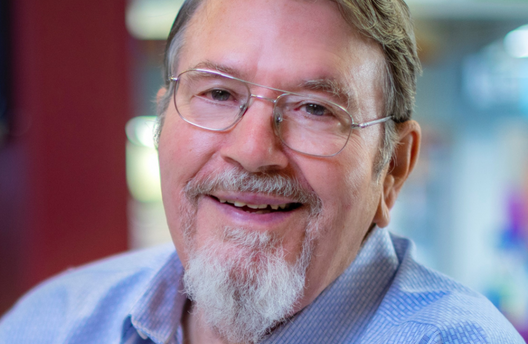
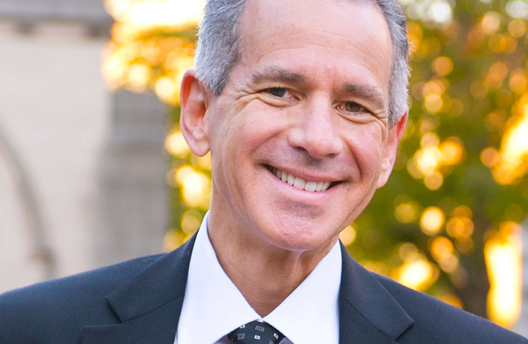
John Morley, MD, on Fragility

John Morley2020 2

Professor & Division Chief of Geriatrics,
St. Louis University School of Medicine

The word "frail" is used colloquially to describe older people so often that many people do not realize that frailty is a distinct geriatric syndrome. Dr. John Morley, an authoritative figure in our emerging understanding of frailty, answered some of Infoaging's questions about frailty and aging.

What is frailty? What causes frailty and how is it different from the physical changes that characterize normal aging?

Frailty is a vulnerable state where an individual is at increased risk of adverse health states and/or dying when exposed to a stressor. Physical frailty is characterized by:

Fatigue

Resistance problems – Can’t walk up a flight of stairs

Aerobic problems – Cannot walk a block

Illnesses – Greater than 5

Loss of 5% or more of weight in 6 months

It is caused by multiple diseases, polypharmacy, lack of exercise and inadequate food intake. It differs from aging by showing multiple deficits in the individual.

What, if anything, can older adults do to prevent frailty?

Exercise (both resistance and aerobic) is key to preventing frailty. This should be between 20 to 30 minutes a day. High protein intake helps to maintain muscles. Much data supports taking 1000 IU of vitamin D daily.

What are the best things frail older adults can do to protect their health and independence? Can frailty be reversed?

Frail older persons need to be in a regular exercise program (resistance, aerobic and balance). They should maintain their weight eating a high protein diet. They should take 1000 IU vitamin D daily. They should have pneumonia and influenza vaccinations. They should have a geriatrician review their medicines to see whether they can be reduced. If depressed older persons should get treatment.

There is substantial data that physical frailty can be reversed and/or its course can be delayed.

Hospitalization can be especially risky for frail adults. What can older adults do to protect their health and functionality when hospitalization is necessary?

In hospital it is important not to stay in bed and to walk around as much as possible. Acute Care for the Elderly (ACE) units that encourage older persons to get up and move around have been shown to improve hospital outcomes. Older adults lose 1 kg of muscle within 3 days of being admitted to hospital. A leucine enriched protein supplement may prevent muscle loss. Polypharmacy (too many drugs) leads to unexpected side effects in older persons, so question why you are being given a drug and if it is necessary. Make sure you are receiving at least 1000 IU of vitamin D each day in hospital.

More Expert Interviews

View All Interviews >
Ask the Expert: Mehmood Khan, MD, on Technologies, Bottlenecks, and Possibilities in Aging Research

March 23, 2026

AFAR is pleased to share Part II of our Ask the Expert interview series featuring Mehmood Khan, MD, Chief Executive Officer of the Hevolution Foundation.

Ask the Expert: Mehmood Khan, MD, on Technologies, Bottlenecks, and Possibilities in Aging Research
Ask the Expert: Sergey Young on his Experience as a Pioneering Longevity Investor and Thought Leader, and Vision for the Future of Geroscience

March 3, 2026

AFAR is pleased to share our Ask the Expert interview series featuring AFAR Board Member Sergey Young.

Ask the Expert: Sergey Young on his Experience as a Pioneering Longevity Investor and Thought Leader, and Vision for the Future of Geroscience
Ask the Expert: Mehmood Khan, MD, on Hevolution Foundation’s Inspiration and Vision for Healthy Aging

February 24, 2026

AFAR is pleased to share Part I of our Ask the Expert interview series featuring Mehmood Khan, MD, Chief Executive Officer of the Hevolution Foundation.

Ask the Expert: Mehmood Khan, MD, on Hevolution Foundation’s Inspiration and Vision for Healthy Aging
Ask the Expert: AFAR Scholar-in-Residence Raiany Romanni-Klein, PhD, on the Economics and Bioethics of Healthy Aging

January 27, 2026

AFAR is pleased to share our Ask the Expert interview with our inaugural Scholar-in-Residence Raiany Romanni-Klein, PhD, on the Economics and Bioethics of Healthy Aging.

Ask the Expert: AFAR Scholar-in-Residence Raiany Romanni-Klein, PhD, on the Economics and Bioethics of Healthy Aging
Ask the Expert: Kristine Yaffe, MD, Strengthening Cross-Disciplinary Collaboration in Aging Research Through Clin-STAR

November 17, 2025

Professor Yaffe is an internationally recognized expert in the field of cognitive aging and dementia prevention.As a champion of

Ask the Expert: Kristine Yaffe, MD, Strengthening Cross-Disciplinary Collaboration in Aging Research Through Clin-STAR
Ask the Expert: Arlan Richardson, PhD, on the Significance of Mentoring the Next Generation of Aging Researchers

November 11, 2025

Dr. Richardson has been a pivotal contributor to aging research for over fifty years. He has mentored and directed the research of more

Ask the Expert: Arlan Richardson, PhD, on the Significance of Mentoring the Next Generation of Aging Researchers
Ask the Expert: Lauren Hunt, PhD, RN, FNP, on a Multidisciplinary Approach to Health Services Research into Geriatric Palliative Care Needs and her 2025 Terrie Fox Wetle Rising Star Award

November 4, 2025

Dr. Lauren Hunt is a doctorate-trained nurse practitioner whose research has focused on understanding geriatric palliative care needs. Her

Ask the Expert: Lauren Hunt, PhD, RN, FNP, on a Multidisciplinary Approach to Health Services Research into Geriatric Palliative Care Needs and her 2025 Terrie Fox Wetle Rising Star Award
Ask the Expert: David B. Allison, PhD, on Obesity, Nutrition, and the Science of Healthy Aging and his 2025 Irving S. Wright Award of Distinction

October 28, 2025

A leader in obesity, nutrition, and aging research, Dr. Allison’s research has been continuously funded by the NIH for over 30 years, and

Ask the Expert: David B. Allison, PhD, on Obesity, Nutrition, and the Science of Healthy Aging and his 2025 Irving S. Wright Award of Distinction
Ask the Expert Interview: AFAR Board Member Sara Espinoza, MD, MSc, on Translational Geroscience, Promising Therapeutics, and More

September 8, 2025

AFAR is pleased to share our Ask the Expert interview with board member Sara Espinoza, MD, MSc, Director of the Center for Translational Geroscience at Cedars-Sinai.

Ask the Expert Interview: AFAR Board Member Sara Espinoza, MD, MSc, on Translational Geroscience, Promising Therapeutics, and More