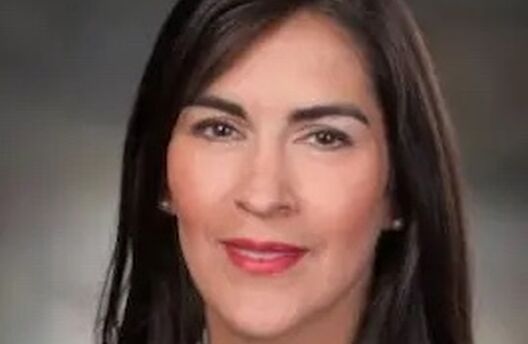
Ask the Expert: Andrea Gilmore-Bykovskyi, PhD, RN, on Equity in Research and Care
Health is often not a result of doctors chosen or genetics, but is unfortunately determined at times by things like economics, education, neighborhood and community. Often called the “social determinates of health” these categories of seemingly non-health related conditions play massive roles in all aspects of health especially aging and age-related diseases. Thankfully, there are researchers dedicated to focusing on the needs of populations experiencing health disparities that directly impact health outcomes. These populations are often referred to as underrepresented, a confusing term since most are not underrepresented when it comes to the diseases themselves; but quite often not accounted for in clinical and public health research.
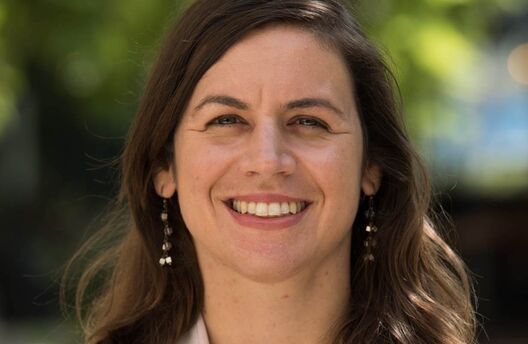
Dr. Gilmore-Bykovskyi leads research efforts focused on equitable care for persons living with and at risk for Alzheimer’s disease. Her leadership and expertise within the nursing field gives her research a critical lens by which to analyze patient and caregiver-centered solutions. As technology and informatics allows patients greater access to their health information, there is a real need to understand the active role patients can play in their own care to lead to better outcomes and healthier aging.
What's the importance of health equity when it comes to addressing the needs of the aging population?
Health equity is defined in various ways. I especially appreciate a definition provided by Dr. Camara Jones, who states health equity is “the assurance of the conditions of optimal health for all.” Unfortunately, conditions that shape health are not distributed in this way. Social determinants of health, which structure and often reinforce in-opportunities, disproportionately impact certain populations such as racial or ethnic minoritized or socioeconomically disadvantaged older adults. In this regard, health equity is fundamental to our shared goal of promoting optimal health and wellbeing among aging populations. Without attention to equity, improvements are unlikely to reach the populations with the greatest need and the poorest outcomes.
Can you explain how including underrepresented populations in Alzheimer's disease research enhances findings and broadens our understandings?
Populations that are under-included in Alzheimer’s disease research are paradoxically at greater risk for developing Alzheimer’s disease. Strengthening inclusion of racially and ethnically diverse populations is not only ethically required under policies that govern human subjects, but also scientifically necessary. We often focus on generalizability (external validity) when considering the role of inclusion. That is, that scientific discoveries may not generalize to populations with the greatest disease. There is also a problem of internal validity: meaning, are we studying what we think we are studying if those with the greatest disease burden underrepresented? Inclusion is essential to rigorous research and addresses both the ethical and scientific imperatives the aging field faces in light of widespread under inclusion of disproportionately affected populations.
What is patient and caregiver-centered care when it comes to dementia-specific therapies, and how can it improve outcomes?
Patient and caregiver-centered care is a general term which refers to approaches to care that emphasize and prioritize the needs of the individual, or the unit (patients and family caregivers). These approaches frequently tailor care to be responsive to individual preferences and goals of care, retained abilities and strengths, specific cognitive challenges, and interests. As a result, patient and caregiver-centered care approaches are often highly individualized and present unique opportunities for health professionals to collaborate with and engage patients and caregivers in developing and implementing a plan of care. Through this collaboration, important information is learned about the person living with dementia that can ultimately be harnessed to improve clinical outcomes. For the person living with dementia, receiving care that focuses on your individual preferences and abilities, may facilitate a higher level of wellbeing and foster greater resiliency to health changes they may face.
Nurses play such a pivotal role in clinical care, how has strengthening the role of nursing impacted the continuum of care? Is there more room to grow?
Nursing comprises our nation’s largest healthcare profession and nurses spend more time in direct care with patients and families than any other member of the care team. Nurses is a distinct discipline that focuses on maximizing the human response to health and illness. In this effort, nursing perspectives commonly adopt abilities-oriented and strengths-based approaches to understanding how individuals manage the health challenges they may face—and how that management can be optimized. Nurses are present in every setting of care, from communities, to clinics, to hospitals, to rehabilitation and long-term care settings. As a result, nurses are not only uniquely positioned but often essential to efforts to improve care delivery. There is room for the nursing workforce to grow, as there is an ongoing nursing shortage which has been exacerbated during the COVID-19 pandemic. Beyond this, there is room for nursing perspectives to be integrated into aging and geriatrics research.