DYSBIOSIS
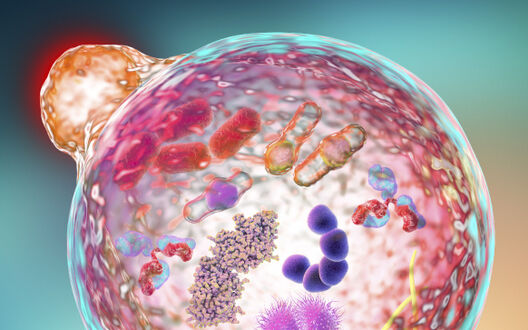
We are covered with microbes of thousands of species. Collectively these are called our “microbiome.” About half of all the cells of your body in fact are not you, they are the bacterial cells that live on and in you. These bacteria are not passive passengers.
The ones in your gut (mouth to the other end), for instance, produce vitamins, hormones, and other substances critical for your continued health. Some also fight invading, potentially dangerous, bacteria.
They also are constantly exchanging health information with your own cells. Everyone’s microbiome is somewhat unique, depending on your genetics, lifestyle factors such as diet, and environment. Although the composition of your microbiome is fairly stable through early adulthood, it gradually changes becoming less diverse with aging, a process called dysbiosis.
The loss of diversity is associated with a number of the maladies of later life. Increasing the diversity of the aging microbiome with, say, fecal transplants from younger individuals, or the use of precise probiotics has been shown to have health benefits in both mice and humans.
Although we are just beginning to understand the complexities or our microbiome, this is an promising emerging area of aging research.