De-aging the brain by reversing the immuno-metabolism of myeloid cells
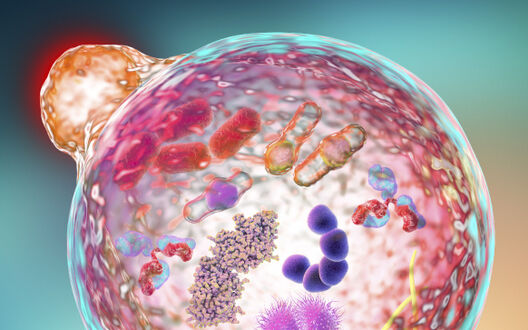
The brain is highly vulnerable to aging, as demonstrated by the high prevalence of age-associated cognitive decline. It has long been thought that restoring the impaired function of neurons is the major gateway to rejuvenating the aging brain. Recently, we have discovered that restoring the function of immune cells by enhancing their metabolomic fitness can reverse cognitive decline in aging. As the sentinel immune cells in the brain, the microglia play a key role in combatting the harmful inflammatory
signals, the function of which is hijacked in aging where they become pro-inflammatory along with dysfunctional metabolism. The same metabolism-associated functional decline is also observed in the peripheral macrophages. By blocking the pro-inflammatory pathway in these myeloid cells, either including microglia or not, we are able to reverse the immuno-metabolism together with the cognitive decline in aging. In this study, Dr. Tan will leverage omics and molecular methodologies to investigate the mechanisms of this immuno-metabolism mediated restoration of cognitive function which will deepen our understanding of systemic interaction among the immune cells, the peripheral organs and the brain.
2025 Glenn Postdoctoral Fellowship Continuation Award Project:
Targeting glycosylation defects to restore efferocytosis and reverse aging