Targeting cellular senescence with novel senotherapeutics by design to extend healthspan
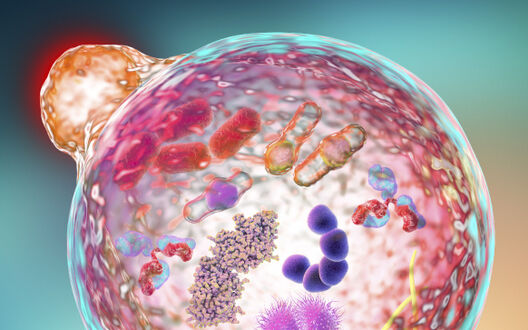
Senescent cells accumulate with age and drive aging and many age-related diseases. Senolytics have emerged as an effective therapeutic approach to eliminate senescent cells to improve aging phenotypes and associated co-morbidities. Despite their promising potential, only a handful of senolytics have been reported, including a natural flavonoid fisetin discovered by Dr. Zhang’s group. Fisetin has been shown to reduce senescence and extend healthspan in aged mice and is in multiple clinical trials for age-related diseases and conditions. However, its moderate potency, potential mutagenic risk and poor bioavailability likely will limit its effectiveness in the clinic. By leveraging drug design, medicinal chemistry, library screening, and modern imaging technology, this research aims to develop better fisetin analogs as novel senolytics with increased potency and reduced toxicity. The improved senotherapeutics will be extensively evaluated for reducing senescence, attenuating age-associated pathologies, and extending healthspan using senescent cell models, human adipose tissue explants, and mouse models of accelerated senescence and aging as well as naturally aged mice.