Investigating Age- and Sex-Specific Proteostatic Responses in Skeletal Muscle to Isoleucine Restriction and Weight-Pulling Exercise
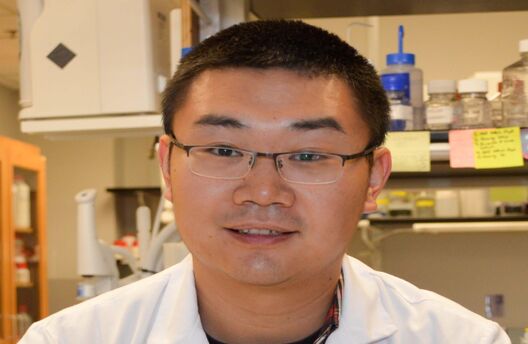
Dietary restriction models in the form of calorie restriction, protein restriction, BCAA restriction, and isoleucine restriction all result in dramatic improvements in metabolic health, reductions in frailty, and improvements in lifespan. However, how dietary restriction interventions interact with resistance exercise is currently unknown. To better understand this interaction, Dr. Marshall and the Lamming Lab aim to determine the whole-body and tissue-specific molecular adaptation to dietary isoleucine restriction and resistance training across age and biological sex. The Lamming Lab will utilize state-of-the-art metabolic phenotyping, coupled with multi-OMIC and stable isotopic tracer techniques, to determine how skeletal muscle adapts to dietary isoleucine restriction and exercise training. Overall, this will allow them to gain a comprehensive understanding of the underpinning molecular mechanisms within skeletal muscle and will inform new strategies to improve musculoskeletal health and extend healthy aging.
2025 Glenn Postdoctoral Fellowship Continuation Award Project:
Exploring mTORC1-dependent mechanisms of lipidome remodeling in aging skeletal muscle through resistance training and isoleucine restriction