Mitochondrial and molecular mechanism of brown adipose tissue regression
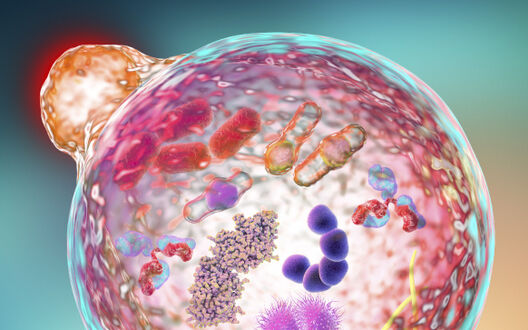
The brown adipose tissue (brown fat) present in humans and other mammals, functions to generate heat in cold conditions and to increase insulin sensitivity. The amount of brown fat in humans starts declining during the first decade of life and continues to decline throughout life. Loss of brown fat is associated with reduced glucose tolerance, decreased energy expenditure, and cold intolerance. This project aims to understand the mechanism for the decline in brown fat’s mass and function during normal aging and whether preserving brown adipocytes could improve energy balance, insulin sensitivity, and metabolic homeostasis. Dr. Shinoda’s lab has found evidence suggesting that mitochondria fission (fragmentation) in brown adipocytes is diminished during aging. This research could lead to strategies to prevent brown fat’s decline with age or even to increase the number of brown fat cells and boost their ability to improve glucose metabolism, burn more calories, and prevent weight gain.