Cellular Senescence and Risk of Postoperative Delirium: Applying Proteomics to Identify Potential Therapeutic Targets
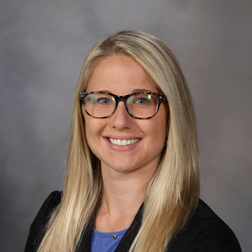
Dr. Palmer's research focuses on delirium, a state of confusion sometimes called “acute brain failure,” that can develop in older adults in response to stressors such as surgery or illness. Delirium often leads to prolonged hospital stays, worsening cognitive function, and other complications, threatening the long-term health and well being of older adults. Aging is the leading risk factor for delirium, however the mechanisms by which aging increases delirium risk is not well understood. Dr. Palmer's research aims to determine if changes in aging-related processes, including cellular senescence, contribute to increased delirium risk with age. By studying circulating proteins in blood isolated from patients who did or did not develop delirium, she plans to identify factors or groups of factors associated with delirium risk. The goal of this research is to identify biomarkers of delirium risk and potential targets for future therapies to prevent delirium.