Ask the Expert: Mehmood Khan, MD, on Technologies, Bottlenecks, and Possibilities in Aging Research
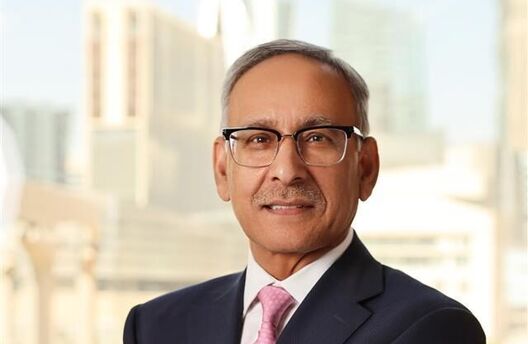
Chief Executive Officer, Hevolution Foundation, Riyadh, Saudi Arabia
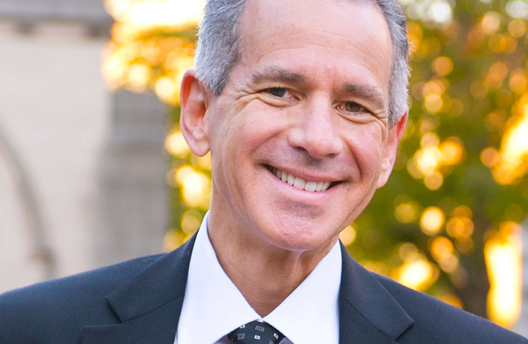
A physician-scientist and global health leader, Dr. Mehmood Khan serves as Chief Executive Officer of the Hevolution Foundation, a global philanthropic organization dedicated to extending healthy human lifespan through research, investment, and collaboration.
Over the course of his career, Dr. Khan has held leadership roles across academia, medicine, the private sector, and nonprofit institutions. His work bridges scientific discovery, business strategy, and global health innovation.
In this second installment of his conversation with Thomas Rando, President of AFAR, Dr. Khan reflects on the current state of aging research, the role of emerging technologies, structural bottlenecks in the field, and the opportunities that lie ahead. The discussion has been edited for clarity and length.
Part II - Aging Research: Technologies, Bottlenecks, Possibilities
Research is at an interesting state of progress and pause. Institutions have faced funding cuts, while investigators have new tools and technologies to support their work. How much do you think new technologies like AI or tools like biomarkers will act as catalysts for advancing aging research?
More than a century ago, we were taught Koch’s postulates. Any valid framework must be biologically grounded, mechanistically relevant, and demonstrate reversibility. Those principles still apply.
What has changed is the sophistication of our tools. We now operate in an era of advanced computational biology. Biomarkers may no longer be single measurements but composite indices derived through machine learning. I am often struck by the fact that a computer can determine a patient’s gender by analyzing an EKG, something no human can reliably do. That illustrates the power of computational insight.
Artificial intelligence and machine learning can accelerate the identification of therapeutic targets and enable more predictive biomarkers. However, validation remains essential. These tools must be tested across diverse genetic and geographic populations, as environmental factors significantly influence aging. Global collaboration, including efforts led by Hevolution and AFAR, is critical to ensuring broad applicability.
At the same time, regulatory frameworks have not evolved at the same pace as scientific innovation, creating bottlenecks. There may be an opportunity to apply AI to regulatory science itself, improving efficiency while maintaining human oversight.
Clinical trial design also requires modernization. Most Phase 2 and Phase 3 trials still follow models established decades ago. While randomized controlled trials remain foundational, they are not always well-suited to aging research, which often depends on long-term outcomes. Adaptive and parallel designs should be explored more systematically through collaboration among academia, industry, and regulators.
What do you think will be the first major wins in extending healthspan?
Early progress will likely come from interventions that target fundamental aging biology in ways that alter disease trajectories.
Improved vaccines for individuals over 60 represent a promising opportunity. Collaboration between infectious disease experts and aging researchers could enhance immune resilience later in life and generate measurable population-level benefits.
Another potential area is applying geroscience to chronic skin disorders. These conditions offer visible and measurable endpoints and may attract strong pharmaceutical investment.
In the short term, such targeted advances can catalyze momentum. Over the longer term, sustained investment in academic research is essential. High-risk translational science often falls outside traditional funding structures. Supporting exploratory, hypothesis-generating work requires calculated risk-taking and a willingness to move beyond incremental progress.
Do you think groupthink or other inherent processes in the field of aging and longevity are holding back breakthroughs and discoveries?
Several structural dynamics influence progress. First, the field remains relatively small. A limited number of pioneers trained successive generations, shaping prevailing perspectives.
I speak from experience. My graduate and postdoctoral mentor continues to influence how I approach problems because of those formative years. That continuity can be valuable, but true breakthroughs often require intellectual cross-fertilization.
Aging research must continue expanding to incorporate expertise from computational sciences, engineering, behavioral sciences, and economics. Organizations such as AFAR and Hevolution are working to broaden that engagement.
Funding remains another constraint. To attract the most talented young scientists, the field must offer a credible opportunity. Historically, funding rates have been limited, which discourages early-career investigators. Advocacy is essential. The growth of institutions such as the National Cancer Institute demonstrates what sustained advocacy can achieve. Strengthening support for aging research, including funding for the National Institute on Aging, requires a similar commitment.
In your role as CEO of Hevolution Foundation, you have been in a unique position to both advance and observe the field. What has surprised you most about aging research?
One positive surprise has been how readily people understand healthspan. Most individuals intuitively grasp that they are likely to spend a decade or more in declining health. Across cultures, people have witnessed this reality in their families.
What surprised me more was the widespread belief that decline is inevitable. It is not. Emerging science increasingly demonstrates that aspects of aging biology can be modified. Yet awareness and belief often lag behind evidence. Stakeholders must first believe progress is possible before discussions about strategy or investment become meaningful.
Another challenge is credibility. For decades, the field has suggested transformative breakthroughs were only a few years away, while progress has often been incremental. This has created cycles of optimism followed by fatigue. Sustained momentum requires disciplined, evidence-based communication.
Academic culture adds complexity. Achieving consensus among scientists is difficult. We used to say that if you ask two endocrinologists a question, you may receive three answers. The path forward requires consistent, evidence-based messaging that resonates beyond specialist audiences while preserving scientific rigor.
From the outset, Hevolution focused on two priorities: investing in rigorous science and catalyzing private capital participation.
Rather than investing exclusively in companies labeled as aging-focused, we identified four companies applying geroscience principles to established disease endpoints. This allowed us to demonstrate tangible progress. Each has advanced from preclinical research into human trials. As additional private capital followed, our role evolved into minority investment positions, illustrating how philanthropic capital can de-risk early innovation.
We are also investing in a company pursuing a novel therapeutic strategy for hepatitis B. Approximately two billion individuals worldwide have been infected, with roughly 350 million chronic carriers. Despite being a leading cause of liver cancer and cirrhosis, there is still no cure. I cannot predict whether this approach will succeed. However, the scale of the unmet need justifies bold attempts. If we support multiple high-impact efforts, some will succeed. That is how progress unfolds.