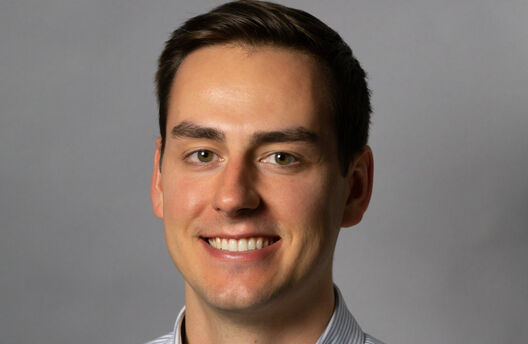
What inspired you to pursue aging research?
I think it’s an area I always had an interest in but didn’t realize it. It’s been an aspect of my work for most of my scientific career, from undergraduate research to postdoc, although not necessarily a focus. But I would say that I truly entered the aging field as a postdoc, through a collaboration working with samples from the non-human primate caloric restriction study at the University of Wisconsin. I was so intrigued by the data analysis challenges in the field, which include things like population heterogeneity and tracking numerous subtle biological changes, that I decided to focus on it.
In your view, what does AFAR mean to the field, and what does it mean, for you, to receive an AFAR grant now?
AFAR is clearly a major supporter of aging research, and has been for a long time. The key thing to me that has been absolutely critical for the field is their support of early career researchers such as myself. Support from AFAR through the variety of their early-career programs is very much a landmark establishing you in the aging field and is enormously helpful in catalyzing new grant opportunities and research directions. Plus, aging experiments also tend to take longer and be more expensive, so having that boost early on is immensely important.
What is exciting about your research’s potential impact?
Learning more about the mechanisms engaged by CR, particularly ones that can impact cellular metabolism in a programmed way like RNA processing, has the potential to identify new targets that could impact aging and the risk of age-related diseases.
How would you describe your research to a non-scientist?
We are using an intervention that delays aging, caloric restriction, to identify the relationships between molecular changes, systemic metabolism, and biological age. The goal is to use the identified relationships to better understand the molecular network that regulates metabolism as we age and discover new targets for interventions that delay aging and age-related diseases.