What inspired you to pursue aging research?
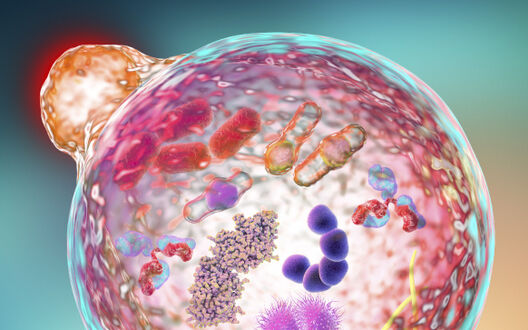
When I first took my college biology course, mitochondria were introduced as somewhat static cell organelles. However, through continuous research, it was revealed that mitochondria have a dynamic nature, undergoing constant changes in shape, location, and activityand while also communicating with other intercellular organelles. This intricate diversity occurs within cells and tissues, and even within the same cell, sparking my interest. Aging emerged as a crucial factor associated with these mitochondrial changes, and these discoveries naturally evolved my research interest in the association between aging and heterogeneity of mitochondrial dynamics into a new research project.
In your view, what does AFAR mean to the field, and what does it mean, for you, to receive an AFAR grant now?
AFAR has played a pivotal role in my research journey, offering indispensable support for the establishment of my independent program. Despite recent challenges in the research environment, AFAR's unwavering support has sent a profound message to aging researchers, including me, emphasizing the importance of aging research and the need for sustained support. I am grateful for the support that has allowed me to advance a new aging research project through the receipt of a Hevolution/AFAR grant.
What is exciting about your research’s potential impact?
Through an investigation of the cell-autonomous and non-autonomous effects of mitochondrial abnormalities in each neuron type within the nervous system, our research seeks to provide insights into how organismal aging is systematically regulated by communication between distant cells and tissues in response to local mitochondrial stress. This study is poised to expand its scope by proposing a new functional classification of neurons in terms of their potential to affect organismal aging and health. It will also suggest the need to investigate molecular mechanisms that mediate this communication and regulate organismal aging. Thus, it is anticipated to serve as a valuable resource for researchers in the fields of aging, neurobiology, and mitochondrial research.
How would you describe your research to a non-scientist?
The human body is an intricate network of diverse cells and tissues, and their intricate interactions employ profound influence over the aging process. Among the vital intracellular components, mitochondria, renowned as the powerhouses of cells, havesignificant roles inaging and overall health. Intriguingly, research indicates that localized mitochondrial damage in specific body parts can exert a substantial impact on the organism's overall longevity and health. This influence is actively modulated by specific controllers that facilitate communication between distinct body parts. Notably, local mitochondrial stress within the nervous system emerges as a key factor influencing organismal aging. This research aimsto explore the varying capacities of different neurons in regulating organismal longevity and health under conditions of mitochondrial stress. The anticipated outcome is a foundational understanding of how inter-body communication mechanisms contribute to the regulation of the aging process.