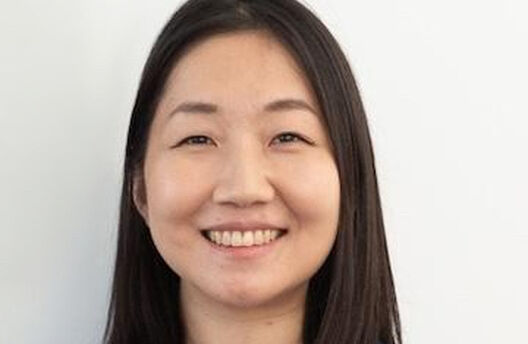
What inspired you to pursue aging research?
As a young student, my goal was to become a scientist in order to help discover better ways to treat some of the high-cost and high-prevalence diseases (i.e., cancer, diabetes, and neuromuscular diseases). As I started to learn more through my studies and research, I realized that aging is the primary driver of many of these diseases. Over time, I became convinced that if we can find and decipher the covert mechanisms and molecular drivers of aging, and target them, we can not only extend peoples’ lives, but also improve their quality. Thus, instead of homing in on one disease, I decided to direct my efforts towards targeting the ‘mechanisms of aging’, thereby tackling multiple diseases simultaneously.
In your view, what does AFAR mean to the field, and what does it mean for you to receive an AFAR grant now?
AFAR is well known for supporting scientists, in particular young to mid- career scientists, in the aging field in their conducting meaningful basic and translational research. AFAR helps set the course and direction of aging research, highlighting critical advances essential to the field. To me, the AFAR fellowship is not only an affirmation of my research findings thus far, but also an immense impetus to continue pursuing my goals as a scientist in the field of aging. In a nutshell, this award is an inspiration for my future.
What is exciting about your research’s potential impact?
A comprehensive understanding of the science is vital for bench-to-bedside translation. A lifelong reduction in growth hormone action confers resistance to common age-related diseases such as cancer and diabetes in both mice and in patients with Laron Syndrome. Importantly, some of these benefits can be obtained even when GH action is disrupted at an adult age. It is vital to understand what the underlying mechanisms contributing to this effect are. Clarifying these mechanisms would allow scientists and clinicians to better devise an appropriate intervention to extend healthy aging.
How would you describe your research to a non-scientist?
I am working on trying to find a way by which we can not only live longer, but healthier. There are a handful of approaches that are promising, of which inhibiting growth hormone action in adulthood appears to be a very promising one by protecting against diabetes and cancer, while also increasing lifespan. Understanding exactly how growth hormone works on aging at the cellular level is key to translating it to practice. This AFAR award will help me solve that puzzle.