What inspired you to pursue aging research?
I first became interested in aging research as an undergraduate working in the lab of Dr. Anne Brunet, who opened my mind to thinking about how to research aging at a molecular level. During my graduate and postdoctoral training, I became interested in investigating how organisms detect damaged components and subsequently decide to either fix or eliminate the damage. Understanding the molecular basis of these “quality control” processes, including how macrophages detect and engulf senescent cells, should help us understand why these mechanisms fail with aging.
In your view, what does AFAR mean to the field, and what does it mean, for you, to receive an AFAR grant now?
AFAR provides critical support for early career researchers to pursue our boldest research ideas to investigate fundamental causes of aging. AFAR also plays an important role in connecting researchers in the aging field, and I am excited to become part of the AFAR community.
What is exciting about your research’s potential impact?
Several lines of research indicate that senescent cells accumulate with age, but it has remained mysterious why this happens, especially given that senescent cells release signals that should trigger their elimination by macrophages. Our research aims to understand the molecular basis of senescent cell immune evasion with age and has the potential to inform therapeutic strategies aimed at targeting senescent cells and thereby increasing healthspan.
How would you describe your research to a non-scientist?
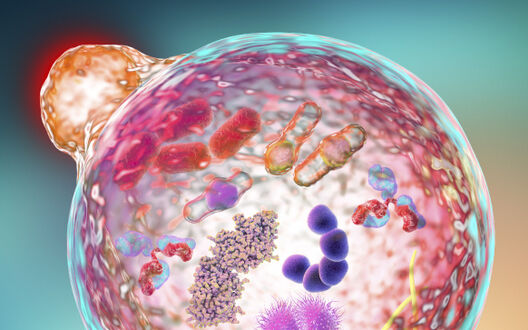
Aging involves not just the accumulation of damage, but the breakdown of the systems that detect and eliminate damage. We are investigating why macrophages, which are a unique type of immune cell that patrols the body for signs of cellular damage, are less effective in doing so with age. By understanding this process at a molecular and cellular level, we hope to inform future therapeutic strategies for reversing these aging-associated deficits.