What inspired you to pursue aging research?
My inspiration to pursue aging research is rooted in my longstanding desire to understand age-onset neurological diseases. The aging process can predispose cells, tissues and organs with our body to dysfunction and disease, yet the fundamental molecular changes that initiate these aberrant effects remain unclear. Striving to identify and correct the earliest age-related changes within our body’s cells, we aim to ensure proper tissue and organ function into older ages.
In your view, what does AFAR mean to the field, and what does it mean for you to receive an AFAR grant now?
By supporting and advancing healthy aging through biomedical research, the American Federation of Aging Research increases exposure of aging research to the great community and provides talented researchers with the means to address fundamental questions of age regulation. This award provides my laboratory a means to investigate these outstanding aging questions as well as immerse the Douglas lab in the greater field of aging biology.
What is exciting about your research’s potential impact?
Rooted in lipid sensing and cellular metabolism, our research has strong potential to better understand the disease processes occurring in various metabolic disorders. Moreover, this lipid sensing mechanism impacts membrane trafficking and protein dynamics at the cell surface. Thus the pathway has far-reaching implications beyond metabolic disorders, and is likely to impact immune function, cancer, and age-onset neurodegeneration.
How would you describe your research to a non-scientist?
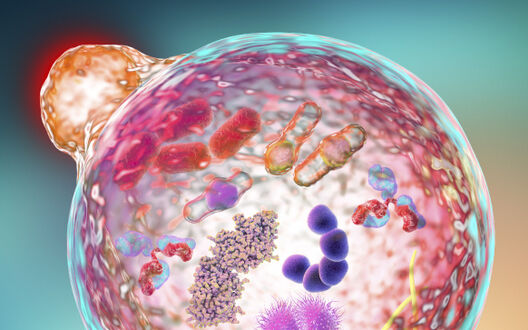
Lipid molecules are important for supplying energy and serving as building blocks for membranes and other structures. The ability of cells in different tissues and organs to measure these molecules and correctly adjust their levels is essential for human health and plays a major role in aging. Our lab recently discovered how cells monitor lipid levels without having to distinguish between the vast variety of different lipid types. When lipids become low, the cell triggers a response to restore lipid levels by building a specific lipid molecule which allows cells to increase nutrient absorption. This lipid sensing pathway becomes more active with age but its role in aging is not yet clear. NHR-49 is an important receptor in the cell which is responsible for triggering this lipid sensing pathway and allows for healthy aging. We have identified and characterized essential modifications on this receptor, which control its ability to sense lipids and thus have strong potential to regulate age progression. In this proposal, we will investigate these processes and identify their role in healthy aging.