What inspired you to pursue aging research?
I remember pouring over the phenomena of biological immortality in creatures like Turritopsis dohrnii, the so-called immortal jellyfish, and the almost mythical resilience of tardigrades. These organisms, made of the same basic parts that we are made of, simply defy the very concept of aging which we take to be inevitable. It made me wonder why we should succumb to the wear of time and stress when nature has creatures that do not.
Then came the revelation of modern molecular tools such as CRISPR and optogenetics–technologies that felt like the ushering in of a new era. The ability to rewrite our DNA with CRISPR and to orchestrate cellular processes with such incredible precisions using optogenetics made it clear that we might actually be able to make a serious dent in the aging problem, despite its daunting complexity. Now, there is so much incredible research going on in the aging field that I truly believe that we will be able to significantly improve healthspan and/or lifespan in the next decade.
In your view, what does AFAR mean to the field, and what does it mean, for you, to receive an AFAR grant now?
AFAR is a beacon of progress in the field of gerontology. To me, it represents dedication to understanding the underlying fundamental science of aging and then applying that foundational knowledge to improve the health of older populations. To the field, AFAR means innovation, support, and a collaborative spirit that propels research to new heights. The New Investigator Award in particular empowers young and creative scientists to make breakthrough discoveries and try new things. This is essential for breaking old paradigms and moving the field forward.
Receiving an AFAR grant is both an honor and a catalyst for my work. It's an affirmation of the potential impact of my research and a profound responsibility to contribute meaningful knowledge to the science of aging. This grant enables me to delve deeper into the fabric of cellular resilience, to explore the frontiers of longevity, and to potentially translate findings into interventions that can transform the way we age. It's also a vote of confidence in our proposed approaches which will allow us to catalyze new technologies and approaches.
What is exciting about your research’s potential impact?
The most exhilarating aspect of my research is its potential to redefine the human experience at a fundamental level. We're on the cusp of discovering how to enhance the body's own mechanisms to deal with the cellular stress that comes with aging. It's about unlocking the resilience hidden within our cells, akin to the remarkable endurance of the immortal jellyfish or the hardiness of tardigrades. Imagine being able to tap into that kind of biological fortitude, to empower our cells to withstand and recover from stress that currently leads to degeneration.
This isn't just about extending lifespan; it's about expanding healthspan—the period of life spent in good health. The implications are vast, from mitigating the impact of age-related diseases to potentially staving off the effects of neurodegeneration, diabetes, and other chronic conditions that afflict millions as they age. It means healthier, more vibrant years where wisdom and experience aren't overshadowed by frailty. That's what's truly exciting: the promise of a future where aging is accompanied by vitality rather than vulnerability.
How would you describe your research to a non-scientist?
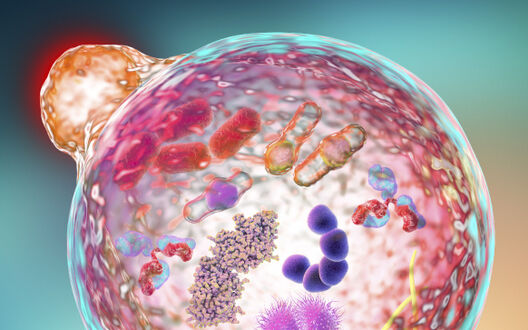
Imagine your body as a city and each cell as a house within it. Just like a house that needs to stay strong against storms and wear over time, our cells face stress from our environment and lifestyle. As we get older, it's like the weather gets harsher and our cellular houses become less sturdy at the same time. My research is like finding new building materials and construction plans to help these houses stay resilient against the storms of aging. I use a special tool called optogenetics, which is a bit like using a flashlight to give cells instructions on how to repair themselves better. It's very precise, allowing us to understand how cells respond to stress and aging, without any side effects. By studying these responses, I hope to find ways to keep our cellular houses strong for longer, so we can live healthier lives as we age.