What inspired you to pursue aging research?
I believe that studying the basic mechanisms that drive the aging process is essential to understanding the phenotypes related to diseases associated with aging. What motivates me is thinking that my research can bring knowledge to help develop strategies to extend healthy lifespan, improving the quality of life so that people can age healthily. Furthermore, this knowledge could also help to develop therapies for those suffering from chronic diseases associated with aging.
In your view, what does AFAR mean to the field, and what does it mean, for you, to receive an AFAR grant now?
In my view, having AFAR grant's programs that are specific to stimulating research into aging processes and age-related diseases has a great impact on the field. For me, as a postdoctoral fellow, having my research funded by AFAR is a great opportunity to establish my research in aging. The support I will have from AFAR is a great encouragement to me for my career development and for helping me achieve my career goal, which is to continue using my love for research to help others.
What is exciting about your research’s potential impact?
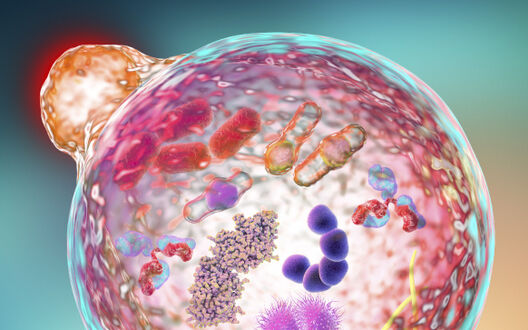
My studies have identified new mechanisms leading to inflammation during aging “inflammaging”. Specifically, I found that STING, a driver of inflammaging, has a different behavior in young and in old cells. STING in old cells accumulates in the nucleus and interacts with proteins involved in transcription, DNA repair and DNA replication. We are testing the hypothesis that the altered behavior of STING contributes to aging hallmarks such as changes in expression of inflammatory genes and genomic instability. If my hypothesis is correct, we will gain a deeper understanding of STING’s roles in aging and provide new targets for therapeutic intervention to reduce the damaging effects of inflammaging.
How would you describe your research to a non-scientist?
My research aims to decipher how cells respond to stresses that accumulate during the aging process, especially the buildup of damaged DNA and the fragility and rupture of the nuclear membrane. This combination leads to leakage of DNA into the cytoplasm, which the cell considers dangerous, starting a defense mechanism known as the “antiviral response”. Although this response is beneficial to fight against viruses and other foreign invaders, it also activates inflammatory programs that contribute to cellular and organismal decline. My recent studies show that a key protein in this response named STING behaves differently in young and in old cells. I have designed an experimental approach to determine how the changes in STING behavior with age contribute to aging characteristics such as the increase in inflammation and in DNA damage. The new knowledge could provide targets for the development of novel therapeutic strategies to ameliorate the pathologies of aging and aging-related diseases such as cancer, cardiovascular disease, and neurodegenerative disorders.