What inspired you to pursue aging research?
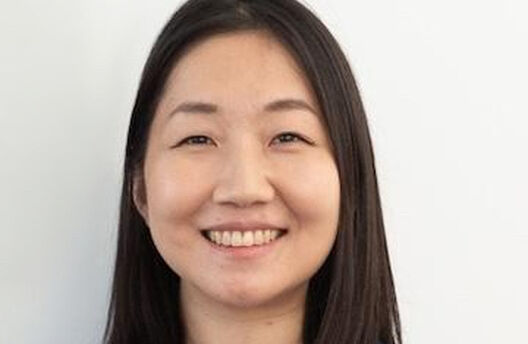
I am from Japan, the country with the second longest life expectancy in the world after Hong Kong. When I was a child, I was raised by my grandmother and grandfather. However, my grandmother, whom I loved very much, died of illness in her 60s. Now, 30 years later, I look around and see many people in their 60s who are still active and enjoying their lives. I wanted to explain this drastic change at the molecular level, so I decided to do research on aging. My grandmother was very happy when I told her that I wanted to be a scientist and study in the US, which also encouraged me to pursue this research career.
In your view, what does AFAR mean to the field, and what does it mean for you to receive an AFAR grant now?
Receiving this grant is very encouraging because it means that my project has been highly valued by the top leaders in aging research. I am also very much looking forward to working with the PIs at Einstein's Institute for Aging Research. Until about 15 years ago, brown adipose tissue was considered to be of little physiological significance in adult humans, and the description of its cellular and biochemical changes in the context of aging has lagged behind that of other cellular systems. Recent studies have shown that adipocytes are active regulators of systemic metabolism. With the support of AFAR, I hope that the study of brown adipose tissue in human aging will be further accelerated.
What is exciting about your research’s potential impact?
Why do adults lose brown fat? Even after 10 years of studying brown fat, I don't have an exact answer. Since it is difficult to obtain enough brown adipose tissue from adult humans over a lifetime, mouse models are very useful. We have found a unique mouse model of premature aging. What excites me about this project is that it will provide scientific answers to the above question.
How would you describe your research to a non-scientist?
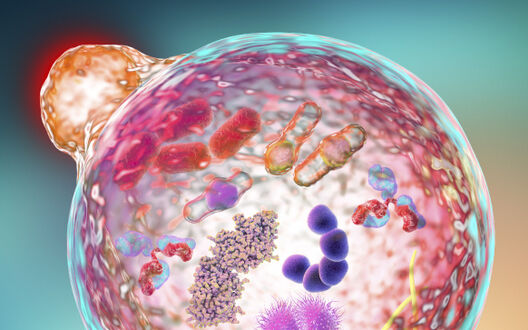
We tend to pay attention to the aging of our skin, scalp, and brain, but not many people have paid attention to the aging of our own fat. In fact, fat does age, and in particular, it is still unknown how brown fat, which prevents obesity in humans, ages. As cells age, they begin to die, and there are many ways cells can die, including apoptosis, necrosis, and pyroptosis. Pyroptosis is a type of cell death that occurs in response to certain triggers such as bacteria or viruses. It's a natural defense mechanism of the body, but in some cases it can cause tissue damage in certain diseases. We will test the hypothesis that the pyroptosis system in adipose tissue can be inhibited by drugs to prevent aging.