What inspired you to pursue aging research?
The nature of aging. Aging is perhaps the most intricate biological process that affects all tissues across almost all species. It is also associated with numerous age-related diseases. Deciphering the enigma of aging requires collaboration across all biological, medical, and many other natural science and even social science disciplines. The journey of unraveling this intricate web also bestows aging researchers with a panoramic view across these diverse domains. Therefore, aging research satiates my thirst for understanding the world, and I feel very proud to be a member of this research society devoted to resolving age-related human diseases.
In your view, what does AFAR mean to the field, and what does it mean, for you, to receive an AFAR grant now?
AFAR is the most renowned aging funding body in the US. It provides generous financial support particularly to junior aging investigators and provides platforms to foster communication among aging researchers. Indeed, it has become a symbol of aging research. With open arms, AFAR welcomes all aging researchers, spanning from postdocs to faculty members, without significant limitations concerning their backgrounds. Receiving an AFAR grant means a formal recognition by the aging field. I really appreciate this award and I look forward to attending the annual AFAR conference to meet more colleagues in the field.
What is exciting about your research’s potential impact?
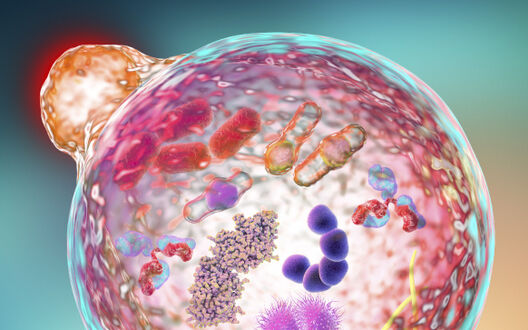
The primary impact of my research is on biological mechanisms of aging. It will reveal how different cellular compartments communicate with each other in response to stress, infections, and aging. Secondly, it has clinical relevance. Native ECM products such as hyaluronan have been used in clinics for eye surgery, osteoarthritis, and to fill wrinkles. Understanding how ECM regulates basic cellular processes will facilitate the repurposing of these products in treating aging and age-related diseases in humans.
How would you describe your research to a non-scientist?
As people age, wrinkles begin to appear on their faces. One primary factor contributing to the formation of wrinkles is the degeneration of their tissue, particularly a crucial compartment known as the extracellular matrix. Indeed, such degeneration does not solely affect the surface of our bodies, but also extends to various internal organs. My research studies how degeneration of the tissue matrix impacts cellular functions and leads to age-related diseases such as cancer, diabetes, and neurodegenerative diseases.