What inspired you to pursue aging research?
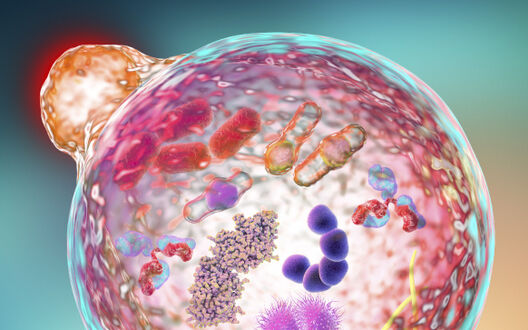
I was inspired to pursue aging research upon recognizing the impact the immune system could have on metabolic tissues. Inflammation is recognized as a major consequence of the aging immune system, but the specific pathways and cell types that lead to a dysfunctional immune system and the consequences of that dysfunctional immune system are not well understood. The research performed within my group will better understand those pathways. We are specifically interested in making specific connections between macrophages that cause permanent alterations in the epigenome of critical cell types in metabolic tissues, ultimately leading to a loss of function.
In your view, what does AFAR mean to the field, and what does it mean for you to receive an AFAR grant now?
AFAR is a critical leader in providing support for biomedical research that advances our understanding of healthy aging. This mission is extremely important as age is a risk factor for multiple diseases. Grants from AFAR allow scientists at every level and background to advance their research. Receiving the AFAR and Glenn Foundation Discovery Award is an honor and will permit my team to launch an independent research program that will uncover critical connections between the immune system and metabolic dysfunction.
What is exciting about your research’s potential impact?
The potential impact of this research is to receive a better understanding of the dysfunctional immune system, primarily the macrophages that cause cellular dysfunction. This is exciting because there are multiple points along our identified pathway that could be therapeutically targeted – ultimately with the goal of maintaining a youthful cellular identity in critical metabolic organs.
How would you describe your research to a non-scientist?
Macrophage-derived inflammation is understood to be a critical factor of the aging immune system. We have identified that macrophage-signals may also regulate critical cellular functions that are lost with age. This leads to cellular senescence and fibrosis. We propose to investigate that pathway to understand how macrophages cause loss of cellular function in metabolic tissues.