Identifying targets for senolytic therapies from the cell surface proteome of senescent cells
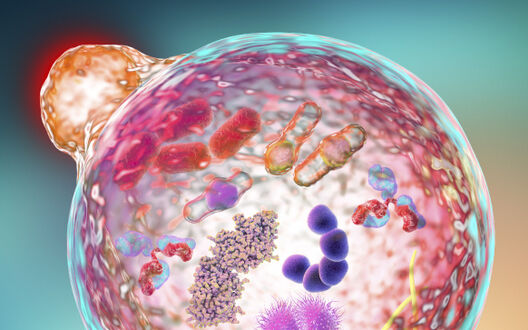
Aberrant accumulation of senescent cells is a major contributor to age-dependent tissue degeneration and its associated pathologies such as cancer, fibrosis, atherosclerosis, osteoarthritis and diabetes, among others. Accordingly, elimination of senescent cells using genetic or pharmacological approaches ameliorates age-associated tissue damage pathologies and extend healthy lifespan in mice. Senescent cells upregulate a collection of cell surface proteins that are ideal molecular targets for developing cell-based therapeutic agents for age-associated pathologies. Dr. Zhang’s research aims to identify novel therapeutic targets on the senescence cell surface using a proximity-dependent, spatiotemporally-resolved quantitative proteomics approach. With newly identified cell surface targets, he will develop next generation chimeric antigen receptor (CAR) T cells and bi-specific antibodies and evaluate their impact in treating age-related diseases. Success with this approach may have a transformative impact on treating many life-threatening diseases like cancer, fibrosis and atherosclerosis.