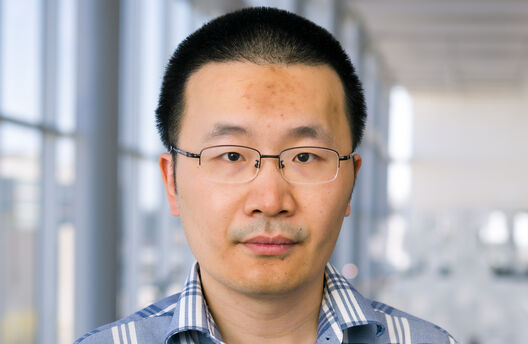
Mechanisms of Lung Immune Memory Decline During Aging
Dr. Weishan Huang's research investigates the lung immune memory during aging, focusing on the immunosuppressive traits of lymphocytes. Immune memory, crucial for defending against respiratory infections and cancer, may dysfunction with age, leading to increased morbidity and vaccine inefficacy. The study proposes a hypothesis that aging-associated immunosuppressive molecular traits, particularly in regulatory T cells, contribute to altering lung immune memory. Using dual-reporter mouse models, single-cell RNA sequencing and metabolomics, the research aims to identify key biomarkers and therapeutic targets. It will evaluate interventions, such as blocking immune suppressors, to reinvigorate immune memory in aged lungs. The outcomes could lead to novel age-specific therapies enhancing lung immunity against infections and cancer.