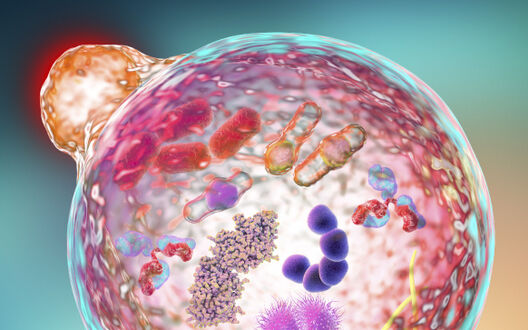
It’s not just a ghost story: zombie cells are real and increasing all the time through the process of cellular aging, or cellular senescence.
These “zombie” or senescent cells can no longer divide but can still secrete damaging molecules that contribute to chronic inflammation, weakening of the immune system, and diseases such as cancer, sarcopenia, osteoarthritis, Alzheimer’s disease, cardiovascular disease, atherosclerosis, pulmonary disease, neurodegeneration, and metabolic disorders.
At the same time, cellular aging serves a useful role in promoting wound healing and protecting against cancer by slowing the development of tumors and other conditions.
We now know that senescent cells can be removed. A new class of drugs called senolytics can provide protection by destroying these zombie cells, with no effect on normal cells.
Join AFAR and the Nathan Shock Centers for this webinar examining the state of the science of cellular senescence and how deeper understanding of senescent cells can help promote a longer healthspan.
This webinar brings together leading experts in this fast-moving field of discovery to explore:
- Delaying a growing list of age-related pathologies and phenotypes by removing senescent cells
- The latest developments and considerations in senolytic drug discovery, including balancing the protection and the damage from senescent cells
- Newly discovered links between cellular senescence, innate immune activation, and systemic metabolic decline
- An update on the Cellular Senescence Network (SenNet), an NIH consortium working to map and catalog all senescent cells in mice and humans in the hope of discovering new predictive biomarkers of health and disease in the blood.