POSTPONED
Since the 1990s, the field of aging research has advanced alongside medical interventions that have helped many live longer than generations before us. For scientists, journalists, and consumers alike, this has sparked a fascination with life expectancy: at the rate of modern medical innovations, will more of us live into our 100s and beyond?
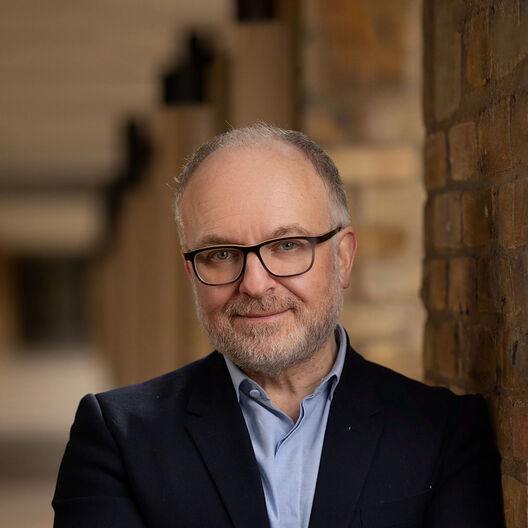
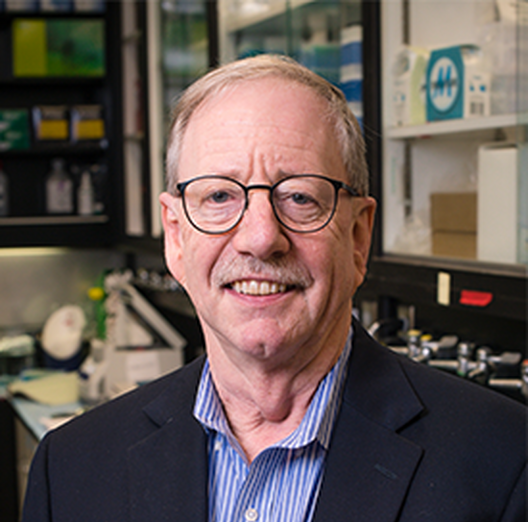
To explore further, AFAR presents a conversation between public health and gerontology expert S. Jay Olshansky, PhD, and longevity global economist Andrew J. Scott, DPhil, moderated by AFAR Scientific Director Steven N. Austad, PhD.
Olshanky's ongoing research has explored limits to human lifespan and the far reaching impact of extending healthspan through biomedical research on aging. Scott's recent book, The Longevity Imperative, argues that in order to accommodate existing trends and future growth in longevity, substantial changes to our health system, economy, and financial sector—as well as in how we manage our careers, health, finances, and relationships—are necessary. Both advocate for the longevity dividend of adding years of health to years of life: studies have estimated that an increased life expectancy by one year will be worth $38 billion dollars to our economy over the next 50 years.
And both stress that living significantly longer (not to mention, healthier) will require a breakthrough in geroscience—the development of therapies that target aging processes themselves.
AFAR sees this as an important call to accelerate geroscience and an opportunity to reset the longevity discussion around healthspan, our years of health as we grow older.