Do our brains age at a different rate than our bodies? How do behavior, genetics, and neurological changes impact memory and cognition as we age? What is considered “normal” brain aging? Explore the latest advances in brain aging research in this free webinar hosted by AFAR and Prevention magazine as part of our Live Better Longer series.
In a conversation-style webinar, Prevention’s Editor in Chief Sarah Smith will be joined by two experts on cognition and aging:
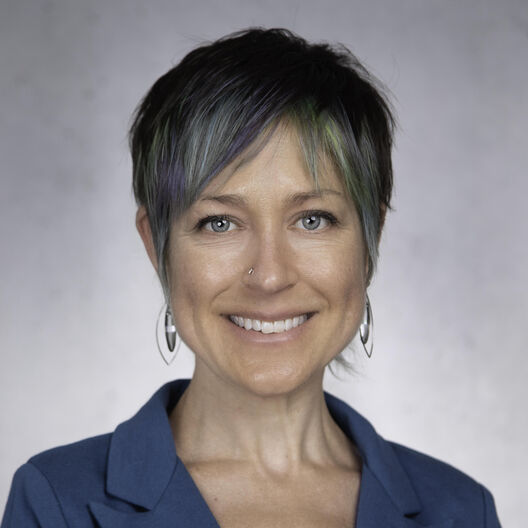
Emilie T. Reas, PhD, Assistant Professor, Neurosciences, at the University of California San Diego. Dr. Reas’ research aims to clarify the risk factors for, and pathways toward, cognitive decline. She is working toward developing more sensitive markers of brain changes that could be early indicators of cognitive decline, which could help identify individuals at greatest risk for dementia. Her lab integrates cutting-edge brain imaging methods with behavioral testing, genetics, and fluid measures.
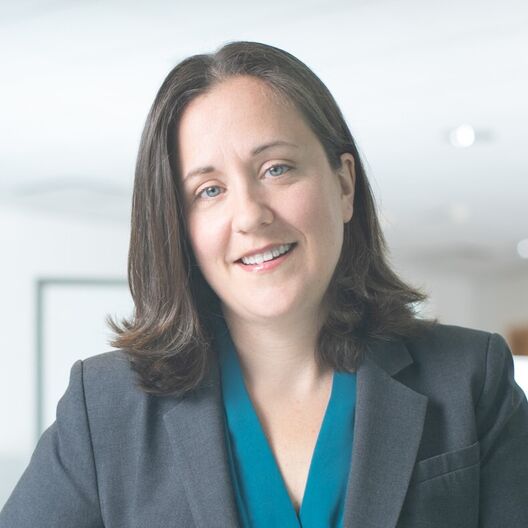
Tara Tracy, PhD, Assistant Professor, at the Buck Institute for Research on Aging as well as an Adjunct Assistant Professor at the University of Southern California Leonard Davis School of Gerontology. Dr. Tracy studies synapses, the small specialized structures that form where neurons connect with each other in the brain to transmit information. Synapses are critical for the encoding of new memories in the brain. Dr. Tracy aims to establish how the levels of the KIBRA protein found in synapses can affect the susceptibility of an individual to memory loss in aging.
Dr. Reas and Dr. Tracy are the 2022 recipients of The McKnight Brain Research Foundation Innovator Awards in Cognitive Aging and Memory Loss, an AFAR grant program.
We are pleased to present this webinar with promotional support from the McKnight Brain Research Foundation.
Bring your questions and join us for this free, informative discussion.