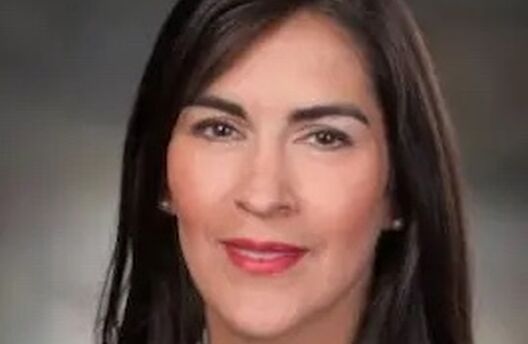
XinQi Dong, MD, MPH, on the COVID-19 variant and older adults
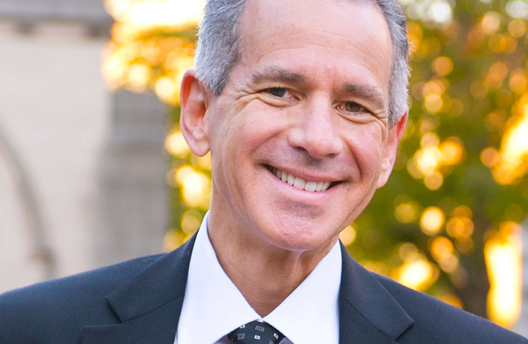
Dr. XinQi Dong is a population health epidemiologist and geriatrician. He has focused his career on violence prevention, elder justice and healthy aging. He has experience in vaccine clinical trials and community-based health education, particularly among underserved communities and vulnerable populations. We recently connected with Dr. Dong to address common concerns about the new strains of coronavirus.
Your research has made major contributions to our understanding of population health in underrepresented communities, locally and around the world. Could you tell us a little bit about your research and how it may have shifted or evolved due to COVID-19?
The overarching theme of my research is to try to understand issues of health disparities and health equity in vulnerable populations. More specifically, we study the issues relating to trauma, violence, resilience, and health outcomes in underrepresented populations.
Since COVID, we have had to be really creative in terms of how we do outreach to these communities, what kind of questions to ask older adults and their families, and how to understand the issues surrounding and influencing COVID-19 in their lives.
From a community outreach perspective, we had to be much more innovative to reach vulnerable populations and community organizations using virtual forums because of the health fears of in-person connections. We’ve had to be more persistent and sensitive in how we translate the voices of our communities to practice, policy makers, and in healthcare systems.
Older adults have been especially vulnerable to COVID-19, and recently a new, more easily spread strain has emerged. Can you tell us a bit about this new strain and how or why it has emerged? What differentiates this new strain, and how does it impact older adults in new ways?
The new variant strain we’re hearing about in the U.K. and now U.S. is being estimated to be 70% more contagious. The new strain also is accounting for a substantial portion of the new infections.
We have to remember that mutations are common--even in the earlier days of the COVID pandemic, there were new variants in different parts of the world. Viruses and bacteria mutate all the time. Sometimes that can be a good thing in the sense that it weakens the virus; sometimes, mutation can be deleterious in terms of strengthening the virus. Viruses infect and invade cells, then those viruses in turn make millions and millions of copies, and sometimes mistakes happen for good and for bad. With influenza, for example, the virus mutates a bit every year, and that's why we need those yearly vaccinations.
This particular strain seems to have about 20 plus different alterations, depending on how you count mutations or deletions. In the U.S., we don't sequence enough of the COVID infections compared to the number of cases, but since this new strain has been discovered, the Centers for Disease Control and Prevention (CDC) has ramped up these efforts in much greater detail. The National SARS-CoV-2 Strain Surveillance program, or known as NS3, has been formed to increase genetic sequencing of the samples on a weekly or bi-weekly basis in order to get a better sense of this variants prevalence. We've seen a number of cases of the new strain in the U.S. so far, and there's no doubt that we will see more of those strains, and there may be new variants too.
We need to learn more about the impact of amount or viral load of COVID-19. Even though evidence seems to suggest that this will not cause worse infections in terms of morbidity and mortality, we're still in the early phases of understanding that. I think one of the mechanisms we can understand more is if there is an association between viral load in relation to the “more contagious” strain. If the viral load is substantially increased, then that may very well lead to more deleterious health outcomes.
Will this new strain affect the effectiveness of testing or COVID-19 vaccines in older adults?
As far as testing is concerned, the nuclear acid testing (DNA testing) preliminary data seems to suggest that we'll be able to pick up at least two out of the three nuclear acids. The current testing seems to be capable of detecting the new strains as well, but we need larger samples. There has been a rapid utilization of rapid testing kits, however, we need better genomic sequencing not only for the DNA testing that's out there right now. Greater access to testing is important, but are these tests going to be able to pick up new strains, or are we going to have a false sense of reassurance?
People are talking about this new strain as “more contagious.” As you may recall, R0 (the reproduction number) refers to the spread of the contagions of the virus. That is, R0 tells you the average number of people that will contract the disease from one infected person. When we first started with the pandemic, our R0 was about 1.3-1.4. That’s gone as high as two in certain parts of the country, perhaps higher in other parts. I think one thing we need to understand more is how does this new strain influence R0s, the infectiousness of the virus, over time. If the new strain somehow makes it bind tighter, that means greater likelihood of the virus entering our cells and bodies, and perhaps more easily spread across populations. Then we would have to think about many things like how we do testing, monitoring and prevention strategies differently.
In terms of vaccine for this strain, so far there is no evidence suggesting that the current vaccines would not cover the new variant. In many ways, these vaccines cover different parts of the viral particles, not just a single part. Most recently, there is some preliminary evidence to suggest that Pfizer’s vaccine may be effective towards the new variant. I think the jury is still out on that at the broader population level.
As we are continuing to learn more about testing, vaccines, and new strains, what do you want to remind and encourage in our readers concerned about older adults and COVID-19?
We know from decades of work that the immune responses for older adults are very different compared to younger populations. That's in part why every year, older adults may need the higher dose of the flu vaccine. When you look at the pneumonia vaccine, sometimes older adults require a different type and different dose because their immune responses are different than younger populations. Whether this new virus strain would affect older adults in a different way, one can postulate that there is a potential mechanism where it could more deleteriously affect older adults because of what we don't know about: viral loads, the impact in testing in nursing home facilities, long-term care facilities, and assisted living facilities, or how older adults’ immune responses may be able to respond to this new strain in a different way.
To prevent COVID-19 among our vulnerable older adults, we need to continue to keep up physical distancing, PPE, and hand washing for patients, caregivers, and other vulnerable populations.
And with older adults, we know social isolation has an incredibly negative physical, biological, and mental impact. So, when we think about prevention, it's not just preventing us from getting COVID, or the new strain, it's about prevention of declining health as a whole. We must be physically, emotionally, and socially supported as well.