Ask the Expert: 2026 Cristofalo Awardee Marianna Sadagurski, PhD, on the brain-body connection in metabolic health and aging
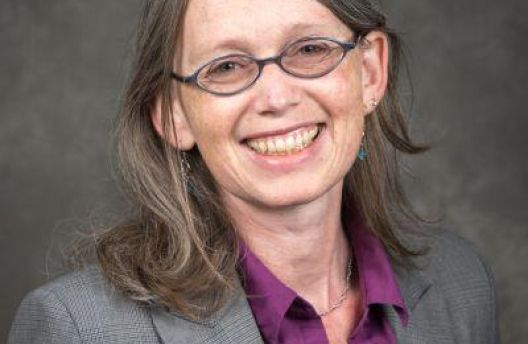
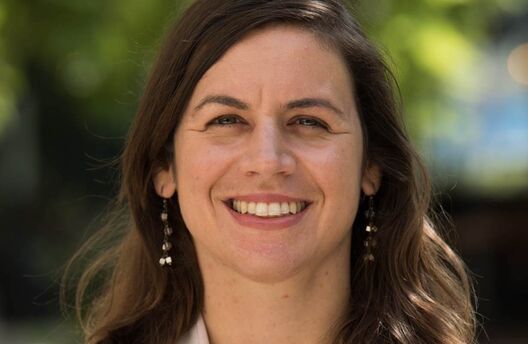
Marianna Sadagurski, PhD
Associate Professor, Institute of Environmental Health Sciences, Department of Biological Sciences, IBio (Integrative Biosciences Center), Wayne State University
2026 Vincent Cristofalo Rising Star Award in Aging Research
Dr. Sadagurski’s research explores the brain-body connection in metabolic health and aging research. Specifically, she focuses on how environmental exposures and age-related changes in the brain affect systemic metabolic disease. Upon receiving the 2026 Vincent Cristofalo Rising Star Award in Aging Research, AFAR spoke with Dr. Sadagurski to learn more about her work and where she hopes the field will go next. Her answers were edited for brevity and clarity.
What inspired you to focus on aging research, and what drew you specifically to the hypothalamus as the central focus of your lab’s work?
During my training, I kept returning to the same fundamental question: how does the brain coordinate systemic aging and metabolic health? My doctoral studies at Tel Aviv University with Efrat Wertheimer grounded me in the science of diabetes and insulin signaling. While a postdoctoral fellow with Morris White at Harvard Medical School, I deepened my interest in central insulin signaling and how the hypothalamus orchestrates whole-body metabolism. Then, my research with Rich Miller at the University of Michigan reframed everything through the lens of aging biology. I wanted to know what actually determines healthspan and why some interventions extend it so reliably. What became clear is that metabolism and aging cannot be separated. Nearly every intervention that influences health and lifespan also touches metabolic function, inflammation, or nutrient sensing. The hypothalamus integrates peripheral signals, coordinates adaptive responses, and appears uniquely vulnerable as organisms age. That combination made it a focus for my lab, and it continues to shape the questions we ask.
Your lab studies “brain-body communication” in metabolic health and aging. Could you explain what that term means and why the hypothalamus is such a critical hub for that conversation?
When we talk about “brain-body communication,” we mean the bi-directional signaling between the brain and peripheral organs that maintains metabolic and physiological balance. The brain is not simply reacting to changes in the body, it actively regulates processes such as glucose metabolism, inflammation, stress responses, and even aspects of immune function. Our work has shown that neuroinflammatory processes in the hypothalamus mirror many of the chronic inflammatory changes observed in metabolic disease. This has led us to think about aging not as isolated organ decline, but as a systems-level loss of communication and resilience across the brain and body.
A major focus of your research is the role of neuroinflammation — specifically hypothalamic neuroinflammation — in the aging brain. What does age-dependent hypothalamic inflammation look like, and how does it contribute to metabolic dysfunction?
Original studies by the Dongsheng Cai lab showed that manipulating hypothalamic inflammation in animal models can extend lifespan. (Dr. Cai also received the Cristofalo Award in 2017 from AFAR.) That finding positioned the hypothalamus not just as a metabolic organ but as a central hub for aging itself — one that, if protected, can extend healthspan, and, if compromised, accelerates aging. In the brain, glial cells drive neuroinflammation in response to stress and the normal wear of aging. Metabolic diseases can initiate that same inflammatory cascade. What’s particularly interesting is that most metabolic drugs appear to work, at least in part, by reducing central inflammation. There’s no disconnect anymore between metabolic disease, brain inflammation, and the biology of aging — they are part of the same story. Thus, my group and others are seeking methods that will manage inflammation and extend people’s lives.
Your work shows that SGLT2 inhibitors protect the brain and may prevent Alzheimer’s pathology. Could you tell us more about how that line of research developed?
We initially became interested in SGLT2 inhibitors because they are widely used in diabetes treatment and have shown surprisingly broad systemic benefits. When we started testing them in aging models, they emerged as one of our best hits. The drug works primarily in the kidney, by blocking glucose reabsorption and promoting glucose excretion. But the SGLT2 is also expressed in other organs, and the drug can cross the blood-brain barrier. In our animal studies, drug treatment improved cognitive function, altered energy metabolism, and reduced neuroinflammatory signatures in brain areas critical for metabolism and cognition.
Those findings led us to Alzheimer’s disease (AD) models. When drug treatment was initiated before the onset of pathology, we observed reductions in amyloid burden along with improvements in neuroinflammatory markers and brain metabolic function. We are now expanding this work into other AD disease models that closely reflect the complexity of human pathology. Human data will ultimately be needed to confirm these findings, but the translational potential is significant because these drugs already have well-established safety profiles and targets.
You are also investigating how environmental exposures — particularly air pollution — may accelerate aging. Can you tell us about that work?
We are rooted in Detroit, and our institute has long been engaged with environmental health questions in this community. One of the most pressing issues is air pollution and, specifically, volatile organic compounds (VOCs). Large population studies, including recent analyses published in The Lancet, have linked higher VOC exposure with increased daily mortality. Through collaborations with our environmental health sciences center, we are studying how these exposures may act as “gerodrivers”, accelerating biological aging. Using experimental models that mimic chronic urban exposure, we examine how pollutants affect metabolism, inflammation, and brain function across the lifespan. If environmental pollutants accelerate the same pathways involved in aging and neurodegeneration, we may be able to identify vulnerable populations earlier and target pathways with existing interventions.
What do you see as the most significant challenges facing aging research right now?
The translation from animal studies to human clinical trials remains the biggest bottleneck, and the fundamental challenge is time. Every intervention we study takes a long time to evaluate, and the path from animal model to FDA-approved therapy can span years or even decades. That said, I am genuinely optimistic that AI and other emerging technologies will accelerate both discovery and translation, compressing what has historically taken twenty years into something far shorter. Further, I see more collaborations enabling multidisciplinary research. Organizations like AFAR bring researchers from many different areas together to enable new ideas and break through traditional barriers.
Where do you hope your research and the field will be in ten years?
In ten years, I hope we move away from studying how to slow aging and toward validated interventions that make a measurable difference in people’s lives. I hope we can better validate biomarkers and see them inform clinical trial design and population-level public health decisions. The growing convergence of metabolism, brain health, and inflammation gives me confidence that a more integrated understanding of aging will lead to better drug repurposing and more targeted interventions. I am very excited about where this is going.